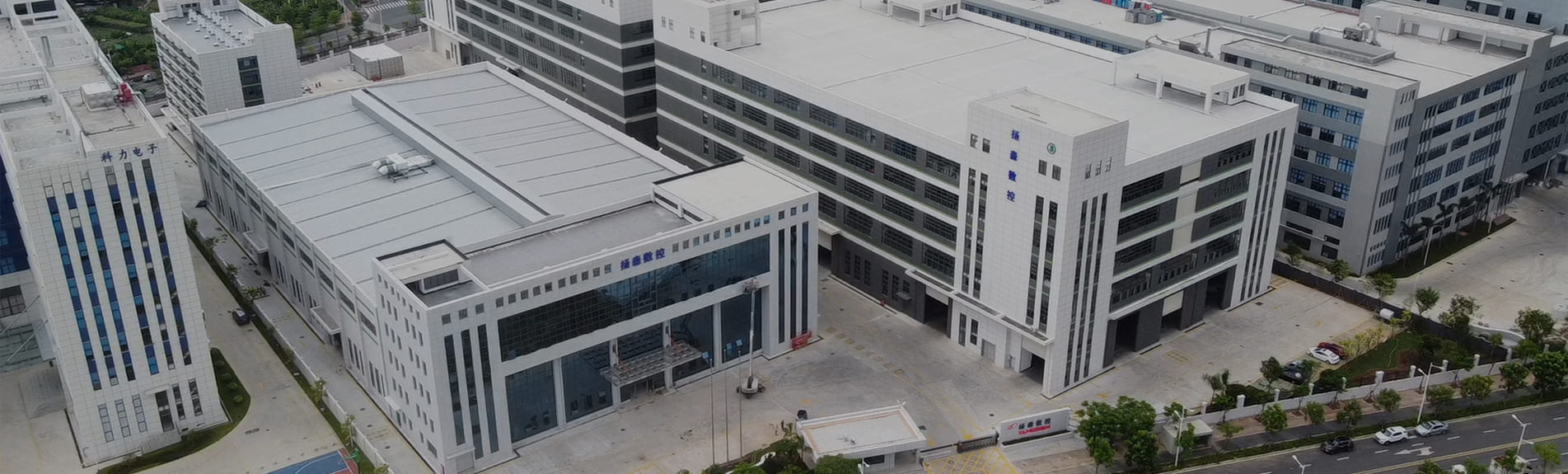
यदि आप सीएनसी मशीनिंग सेंटर में निवेश करने की योजना बना रहे हैं, तो गाइडवे के प्रकारों को समझना उतना ही महत्वपूर्ण है जितना कि स्पिंडल की गति या मशीन की यात्रा की तुलना करना।
अलग-अलग गाइडवे अलग-अलग फायदे देते हैं। कुछ गति और सटीकता को प्राथमिकता देते हैं, जबकि अन्य मजबूती और भारी कटिंग क्षमता पर ध्यान केंद्रित करते हैं। सही गाइडवे का चुनाव उत्पादकता, मशीनिंग की गुणवत्ता और दीर्घकालिक निवेश पर लाभ को बेहतर बना सकता है।
यह गाइड सीएनसी मशीन गाइडवे के सबसे सामान्य प्रकारों के बारे में बताएगी और आपको यह समझने में मदद करेगी कि कौन सा विकल्प आपकी मशीनिंग आवश्यकताओं के लिए सबसे उपयुक्त है।
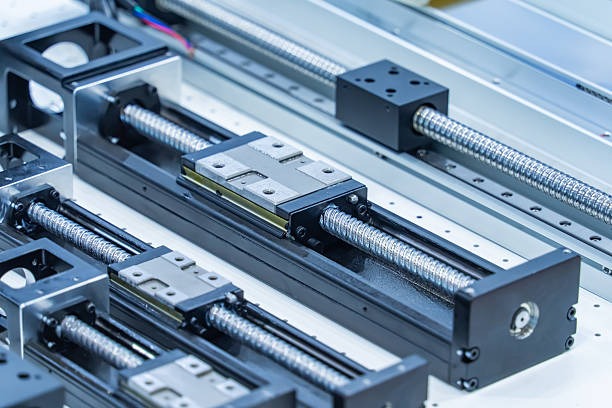
सीएनसी मशीन गाइडवे एक मार्गदर्शक प्रणाली है जो एक्स, वाई और जेड अक्षों के अनुदिश मशीन के घटकों की गति को नियंत्रित और सहारा देती है। इसका प्राथमिक कार्य मशीनिंग कार्यों के दौरान सुचारू, सटीक और स्थिर गति सुनिश्चित करना है।
एक सामान्य सीएनसी गाइडवे सिस्टम में गाइड रेल, गतिशील ब्लॉक या स्लाइडिंग सतहें और एक स्नेहन प्रणाली शामिल होती है। मशीन अक्ष के चलने पर, गाइडवे गति को एक निश्चित पथ पर निर्देशित करता है और मशीनिंग के दौरान उत्पन्न होने वाले काटने के बलों को सहारा देता है। इससे मशीनिंग प्रक्रिया के दौरान स्थिति की सटीकता और मशीन की स्थिरता बनाए रखने में मदद मिलती है।
परंपरागत मशीन टूल गाइड सिस्टम की तुलना में, आधुनिक सीएनसी गाइडवे कई फायदे प्रदान करते हैं:
एक सीएनसी मशीन का प्रदर्शन काफी हद तक उसके गाइडवे डिजाइन पर निर्भर करता है, यही कारण है कि गाइडवे को मशीनिंग सेंटर के सबसे महत्वपूर्ण संरचनात्मक घटकों में से एक माना जाता है।
सभी सीएनसी गाइडवे एक ही उद्देश्य के लिए डिज़ाइन नहीं किए जाते हैं। कुछ उच्च गति और सटीकता पर ध्यान केंद्रित करते हैं, जबकि अन्य मज़बूती और भारी-भरकम कटिंग के लिए बनाए जाते हैं। इन अंतरों को समझने से आपको अपनी उत्पादन आवश्यकताओं के अनुरूप बेहतर मशीन चुनने में मदद मिल सकती है।
सीएनसी मशीनिंग केंद्रों में उपयोग किए जाने वाले सबसे सामान्य गाइडवे प्रकारों में लीनियर बॉल गाइडवे, रोलर गाइडवे, बॉक्स गाइडवे और हाइड्रोस्टैटिक गाइडवे शामिल हैं।
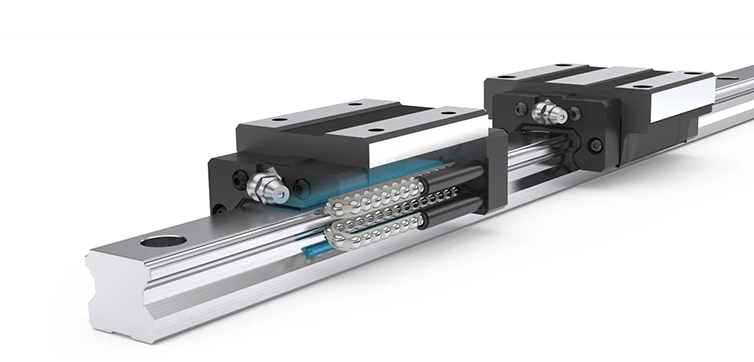
लीनियर बॉल गाइडवे क्या है?
एक लीनियर बॉल गाइडवे में गाइड रेल और गाइड ब्लॉक के बीच स्टील की गेंदें घूमती रहती हैं। जैसे-जैसे अक्ष घूमता है, गेंदें गाइड ब्लॉक के अंदर लगातार लुढ़कती रहती हैं, जिससे घर्षण कम होता है और सुचारू, सटीक गति संभव होती है।
यह आधुनिक समय में पाए जाने वाले सबसे सामान्य गाइडवे प्रकारों में से एक है। ऊर्ध्वाधर मशीनिंग केंद्र और हाई-स्पीड सीएनसी मशीनें।
फ़ायदे
कमियां
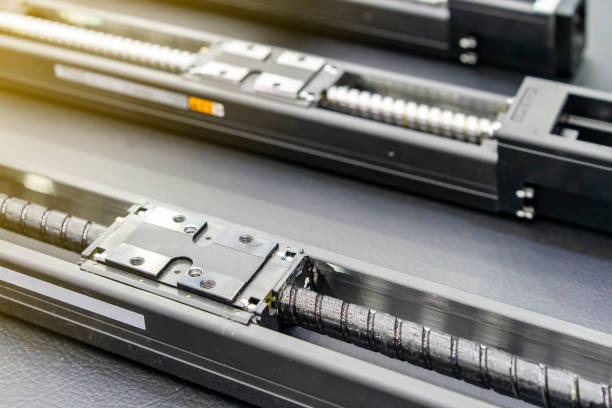
रोलर गाइडवे क्या है?
रोलर गाइडवे बॉल गाइडवे के समान ही कार्य करता है, लेकिन इसमें स्टील की गेंदों के स्थान पर बेलनाकार रोलर का उपयोग किया जाता है। अधिक संपर्क क्षेत्र होने के कारण गाइडवे उत्कृष्ट गति सटीकता बनाए रखते हुए अधिक भार वहन कर सकता है।
कई उच्च-प्रदर्शन वाले मशीनिंग सेंटर गति और कठोरता के बीच संतुलन हासिल करने के लिए रोलर गाइडवे का उपयोग करते हैं।
फ़ायदे
कमियां
बॉक्स गाइडवे क्या है?
बॉक्स गाइडवे, जिसे हार्ड वे भी कहा जाता है, रोलिंग तत्वों के बजाय बड़ी स्लाइडिंग संपर्क सतहों का उपयोग करता है। गाइड सतहों को सटीक रूप से ग्राउंड किया जाता है और गति के दौरान घर्षण को कम करने के लिए तेल से चिकनाई दी जाती है।
बॉक्स गाइडवे का उपयोग आमतौर पर हेवी-ड्यूटी मशीनिंग सेंटरों में किया जाता है। क्षैतिज बोरिंग मिलें, और बड़ी गैन्ट्री मशीनें.
फ़ायदे
कमियां
हाइड्रोस्टैटिक गाइडवे क्या है?
हाइड्रोस्टैटिक गाइडवे में दबावयुक्त तेल का उपयोग करके गाइड सतहों के बीच एक पतली तेल परत बनाई जाती है। चूंकि गतिशील घटक एक दूसरे के सीधे संपर्क में नहीं आते हैं, इसलिए घर्षण और टूट-फूट काफी कम हो जाती है।
इस प्रकार के गाइडवे का उपयोग मुख्य रूप से अति-सटीक और उच्च-स्तरीय सीएनसी उपकरणों में किया जाता है।
फ़ायदे
कमियां
प्रत्येक प्रकार के गाइडवे के अलग-अलग फायदे होते हैं। लीनियर बॉल गाइडवे गति और दक्षता को प्राथमिकता देते हैं, रोलर गाइडवे गति और कठोरता के बीच संतुलन प्रदान करते हैं, बॉक्स गाइडवे भारी-भरकम कटिंग में उत्कृष्ट होते हैं, और हाइड्रोस्टैटिक गाइडवे अति-सटीक अनुप्रयोगों के लिए डिज़ाइन किए गए हैं। सबसे अच्छा विकल्प आपकी मशीनिंग सामग्री, कटिंग की स्थितियों और उत्पादन लक्ष्यों पर निर्भर करता है।
सही गाइडवे का चुनाव करना सबसे उन्नत विकल्प खोजने के बारे में नहीं है—बल्कि वह गाइडवे खोजने के बारे में है जो आपकी मशीनिंग आवश्यकताओं के लिए सबसे उपयुक्त हो। विभिन्न प्रकार के गाइडवे अलग-अलग उत्पादन लक्ष्यों के लिए डिज़ाइन किए गए हैं, और सही चुनाव से मशीनिंग दक्षता, सतह की गुणवत्ता और मशीन के समग्र प्रदर्शन में सुधार हो सकता है।
नीचे दी गई तालिका सबसे आम सीएनसी गाइडवे प्रकारों की त्वरित तुलना प्रदान करती है।
विशेषता | लीनियर बॉल गाइडवे | रोलर गाइडवे | बॉक्स गाइडवे | हाइड्रोस्टैटिक गाइडवे |
आंदोलन की गति | उत्कृष्ट | उत्कृष्ट | मध्यम | मध्यम |
स्थिति निर्धारण सटीकता | उत्कृष्ट | उत्कृष्ट | बहुत अच्छा | उत्कृष्ट |
कठोरता | अच्छा | बहुत अच्छा | उत्कृष्ट | उत्कृष्ट |
भार क्षमता | अच्छा | बहुत अच्छा | उत्कृष्ट | उत्कृष्ट |
कंपन अवमंदन | गोरा | अच्छा | उत्कृष्ट | उत्कृष्ट |
भारी कटाई क्षमता | अच्छा | बहुत अच्छा | उत्कृष्ट | उत्कृष्ट |
रखरखाव | आसान | आसान | मध्यम | जटिल |
लागत | कम | मध्यम | मध्यम | उच्च |
अधिकांश आधुनिक मशीनिंग केंद्रों में, लीनियर बॉल गाइडवे और रोलर गाइडवे सबसे आम विकल्प हैं क्योंकि ये उत्कृष्ट गति और सटीकता प्रदान करते हैं। बॉक्स गाइडवे भारी-भरकम कार्यों के लिए लोकप्रिय हैं जहाँ कठोरता और काटने की शक्ति तीव्र गति से अधिक महत्वपूर्ण होती है। हाइड्रोस्टैटिक गाइडवे आमतौर पर अति-सटीक मशीनिंग के लिए आरक्षित होते हैं जहाँ अधिकतम सटीकता की आवश्यकता होती है।
1. सीएनसी मशीनिंग सेंटरों में सबसे अधिक उपयोग किया जाने वाला गाइडवे प्रकार कौन सा है?
आधुनिक सीएनसी मशीनिंग केंद्रों में रैखिक बॉल गाइडवे सबसे अधिक उपयोग किए जाने वाले गाइडवे प्रकार हैं। ये गति, सटीकता और लागत का अच्छा संतुलन प्रदान करते हैं, जिससे ये विभिन्न प्रकार के मशीनिंग अनुप्रयोगों के लिए उपयुक्त होते हैं।
2. बॉल गाइडवे और रोलर गाइडवे में क्या अंतर है?
दोनों ही लीनियर गाइड सिस्टम हैं, लेकिन रोलर गाइडवे में गेंदों के बजाय बेलनाकार रोलर का उपयोग होता है। इससे रोलर गाइडवे को अधिक कठोरता और भार वहन क्षमता मिलती है, जो उन्हें अधिक चुनौतीपूर्ण मशीनिंग अनुप्रयोगों के लिए उपयुक्त बनाती है।
3. मोल्ड निर्माण के लिए किस प्रकार का गाइडवे सबसे अच्छा है?
मोल्ड निर्माण में लीनियर बॉल गाइडवे और रोलर गाइडवे का आमतौर पर उपयोग किया जाता है क्योंकि वे जटिल मोल्ड घटकों की उच्च परिशुद्धता, सुचारू गति और कुशल मशीनिंग प्रदान करते हैं।
4. क्या रैखिक गाइडवे स्टील की मशीनिंग के लिए उपयुक्त हैं?
जी हां। आधुनिक लीनियर गाइडवे मशीनें स्टील की मशीनिंग को प्रभावी ढंग से संभाल सकती हैं। हालांकि, बड़े स्टील वर्कपीस की निरंतर और भारी कटिंग के लिए, बॉक्स गाइडवे बेहतर स्थिरता और कटिंग प्रदर्शन प्रदान कर सकते हैं।
5. भारी-भरकम कटाई के लिए कौन सा गाइडवे सबसे अच्छा है?
भारी-भरकम कटिंग कार्यों के लिए आमतौर पर बॉक्स गाइडवे को प्राथमिकता दी जाती है क्योंकि ये आक्रामक मशीनिंग प्रक्रियाओं के दौरान उच्च कठोरता, मजबूत भार वहन क्षमता और बेहतर कंपन अवशोषण प्रदान करते हैं।
6. मैं अपनी सीएनसी मशीन के लिए सही गाइडवे का चुनाव कैसे करूं?
सबसे उपयुक्त गाइडवे का चुनाव आपकी सामग्री, वर्कपीस के आकार, कटिंग की आवश्यकताओं और उत्पादन लक्ष्यों पर निर्भर करता है। हाई-स्पीड मशीनिंग में लीनियर गाइडवे फायदेमंद होते हैं, जबकि हेवी-ड्यूटी मशीनिंग में बॉक्स गाइडवे बेहतर होते हैं। सही मशीन का चुनाव करने के लिए अपने एप्लिकेशन को समझना बहुत ज़रूरी है।
अलग-अलग मशीनिंग कार्यों के लिए अलग-अलग सीएनसी गाइडवे डिज़ाइन किए जाते हैं। लीनियर बॉल गाइडवे गति और दक्षता पर ध्यान केंद्रित करते हैं, रोलर गाइडवे गति और कठोरता का संतुलन प्रदान करते हैं, जबकि बॉक्स गाइडवे भारी-भरकम कटिंग के लिए अधिक उपयुक्त होते हैं।
हर काम के लिए कोई एक गाइडवे सबसे अच्छा नहीं होता। सही चुनाव आपकी सामग्री, मशीनिंग की ज़रूरतों और उत्पादन लक्ष्यों पर निर्भर करता है। इन अंतरों को समझने से आपको एक ऐसी सीएनसी मशीन चुनने में मदद मिलेगी जो आपके व्यवसाय की ज़रूरतों के अनुसार प्रदर्शन प्रदान करे।
क्या आप अभी भी निश्चित नहीं हैं कि आपके एप्लिकेशन के लिए कौन सा गाइडवे सही है? हमारी टीम से संपर्क करें आपकी मशीनिंग संबंधी आवश्यकताओं पर चर्चा करने और सर्वोत्तम समाधान खोजने के लिए।