सीएनसी मशीनिंग सेंटरों की तुलना करते समय, आप देखेंगे कि कुछ मशीनों में बीटी टूल होल्डर का उपयोग होता है, जबकि अन्य में बीबीटी या एचएसके सिस्टम लगे होते हैं। कीमत में काफी अंतर हो सकता है, लेकिन क्या अधिक महंगा विकल्प हमेशा फायदेमंद होता है?
इसका उत्तर आपकी मशीनिंग आवश्यकताओं पर निर्भर करता है। स्पिंडल की गति, कटिंग स्थिरता, सतह की फिनिश और उत्पादन क्षमता जैसे कारक आपके द्वारा चुने गए टूल होल्डर सिस्टम से निकटता से संबंधित हैं।
इस लेख में, हम बीटी, बीबीटी और एचएसके टूल होल्डर्स की तुलना करेंगे ताकि आपको उनके अंतरों को समझने और अपने उपयोग और बजट के लिए सही समाधान चुनने में मदद मिल सके।
एक सीएनसी टूल होल्डर आपके कटिंग टूल को स्पिंडल से जोड़ता है और मशीनिंग के दौरान इसे मजबूती से अपनी जगह पर बनाए रखता है। यह कटिंग फोर्स, टॉर्क और स्पिंडल रोटेशन को सीधे टूल तक पहुंचाता है।
टूल होल्डर के डिज़ाइन में मामूली अंतर भी मशीनिंग की सटीकता, सतह की फिनिश और टूल के जीवनकाल को प्रभावित कर सकता है। एक उपयुक्त टूल होल्डर कंपन को कम करता है, स्थिरता बढ़ाता है और लगातार बेहतर परिणाम प्राप्त करने में मदद करता है, जबकि गलत चुनाव सबसे उन्नत सीएनसी मशीन के प्रदर्शन को भी सीमित कर सकता है।
सही टूल होल्डर का चुनाव सिर्फ लागत की बात नहीं है—यह सीधे तौर पर आपकी उत्पादकता और उत्पाद की गुणवत्ता को प्रभावित करता है। सही सिस्टम यह सुनिश्चित करता है:
BT, BBT और HSK तीन सबसे आम सिस्टम हैं, जिनमें से प्रत्येक को अलग-अलग मशीनिंग आवश्यकताओं को पूरा करने के लिए डिज़ाइन किया गया है। इनके अंतरों को समझने से आपको अपने स्पिंडल और एप्लिकेशन के लिए सबसे उपयुक्त टूल होल्डर चुनने में मदद मिलेगी।
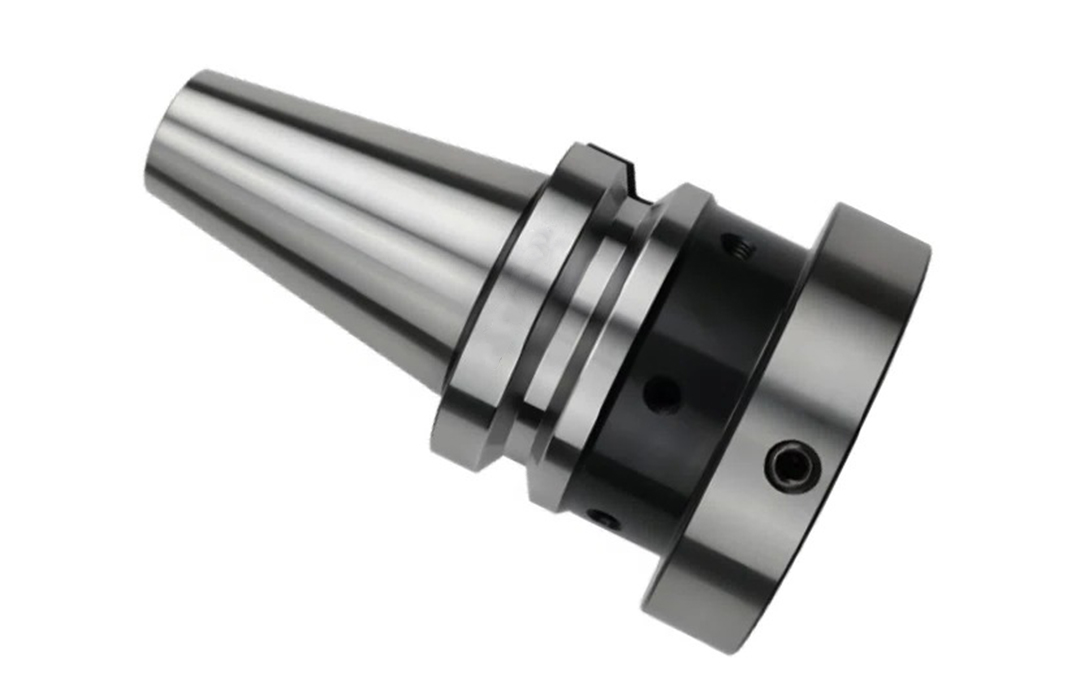
बीटी टूल होल्डर सबसे व्यापक रूप से उपयोग किया जाने वाला टूल होल्डर सिस्टम है। सीएनसी मशीनिंग केंद्रइसमें पोजीशनिंग के लिए 7:24 का टेपर और स्पिंडल के अंदर होल्डर को सुरक्षित करने के लिए एक पुल स्टड का उपयोग किया जाता है। टेपर सतह स्पिंडल और टूल होल्डर के बीच प्राथमिक संपर्क प्रदान करती है, जबकि होल्डर का सामने वाला भाग पोजीशनिंग में भाग नहीं लेता है।
इस सरल और सिद्ध डिजाइन ने बीटी को सामान्य मशीनिंग अनुप्रयोगों के लिए उद्योग मानक बना दिया है।
बीटी टूल होल्डर अपनी सरलता, विश्वसनीयता और किफायती कीमत के लिए जाने जाते हैं। ये आसानी से उपलब्ध होते हैं, कई तरह की सीएनसी मशीनों के साथ संगत होते हैं और अधिकांश मशीनिंग कार्यों के लिए पर्याप्त प्रदर्शन प्रदान करते हैं।
प्रमुख विशेषताओं में शामिल हैं:
बीटी टूल होल्डर का उपयोग आमतौर पर निम्नलिखित में किया जाता है:
अधिकांश मशीनिंग कार्यों के लिए जिनमें अत्यधिक उच्च स्पिंडल गति या अति-उच्च परिशुद्धता की आवश्यकता नहीं होती है, बीटी टूल होल्डर प्रदर्शन और लागत के बीच एक उत्कृष्ट संतुलन प्रदान करते हैं।
बीटी टूल होल्डर आमतौर पर 12,000 आरपीएम से कम स्पिंडल गति के लिए अनुशंसित होते हैं। इन गतियों पर, वे स्थिर प्रदर्शन प्रदान कर सकते हैं और अधिकांश मशीनिंग अनुप्रयोगों की आवश्यकताओं को पूरा कर सकते हैं।
किफायती और भरोसेमंद टूल होल्डर सिस्टम की तलाश करने वाले निर्माताओं के लिए, BT सबसे व्यावहारिक विकल्प बना हुआ है। यही कारण है कि BT40 और BT50 दुनिया भर के कई CNC मशीनिंग सेंटरों पर मानक कॉन्फ़िगरेशन के रूप में बने हुए हैं।
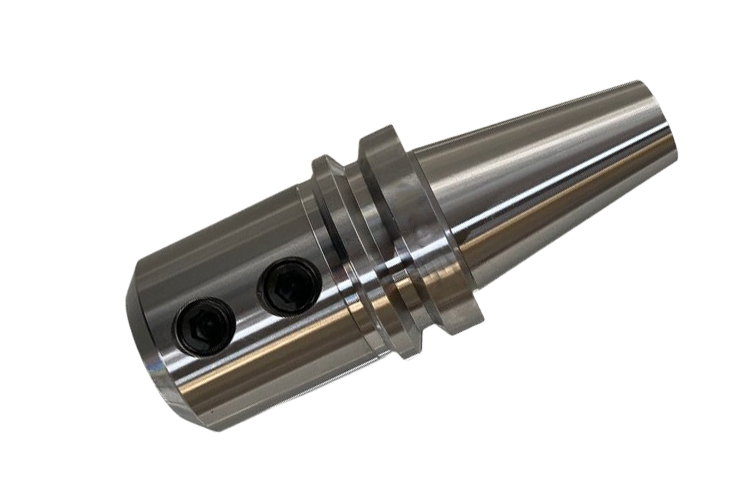
बीबीटी टूल होल्डर पारंपरिक बीटी सिस्टम का उन्नत संस्करण है। बीटी केवल टेपर संपर्क पर निर्भर करता है, जबकि बीबीटी दोहरे संपर्क वाली स्थिति का उपयोग करता है, जिसमें टूल होल्डर का टेपर और सतह दोनों एक साथ स्पिंडल के संपर्क में आते हैं।
यह डिजाइन स्पिंडल और टूल होल्डर के बीच एक मजबूत कनेक्शन बनाता है, जिससे मशीनिंग के दौरान समग्र कठोरता और स्थिरता में सुधार होता है।
बीटी टूल होल्डर्स की तुलना में, बीबीटी उच्च गति और उच्च परिशुद्धता वाली मशीनिंग के लिए बेहतर सपोर्ट प्रदान करता है।
प्रमुख विशेषताओं में शामिल हैं:
स्पिंडल और टूल के बीच मजबूत जुड़ाव के कारण, बीबीटी टूल होल्डर्स को अक्सर तब प्राथमिकता दी जाती है जब उच्च कटिंग बल या सख्त सहनशीलता की आवश्यकता होती है।
बीबीटी टूल होल्डर का उपयोग आमतौर पर निम्नलिखित में किया जाता है:
ये उन उपयोगकर्ताओं के लिए विशेष रूप से उपयुक्त हैं जिन्हें बीटी द्वारा प्रदान की जाने वाली कठोरता से अधिक कठोरता की आवश्यकता होती है, लेकिन उन्हें पूर्ण एचएसके सिस्टम की आवश्यकता नहीं होती है।
बीबीटी टूल होल्डर आमतौर पर 10,000 से 20,000 आरपीएम तक की स्पिंडल गति पर उपयोग किए जाते हैं। ये अक्सर उच्च-प्रदर्शन वाले मैकेनिकल स्पिंडल और कुछ मोटर चालित स्पिंडल अनुप्रयोगों में पाए जाते हैं।
जो निर्माता अधिक महंगे एचएसके सिस्टम पर स्विच किए बिना बेहतर सटीकता और कटिंग स्थिरता चाहते हैं, उनके लिए बीबीटी प्रदर्शन और निवेश के बीच एक उत्कृष्ट संतुलन प्रदान करता है।
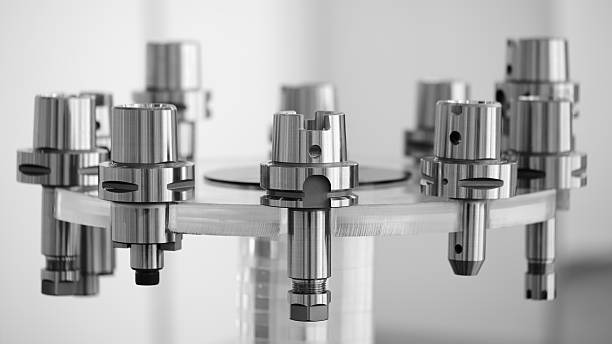
एचएसके टूल होल्डर विशेष रूप से उच्च गति, उच्च परिशुद्धता वाली सीएनसी मशीनिंग के लिए डिज़ाइन किए गए हैं। बीबीटी की तरह, वे दोहरे संपर्क स्थिति निर्धारण का उपयोग करते हैं—टेपर संपर्क और सतह संपर्क—लेकिन उनकी संरचना अलग है:
इसका हैंडल खोखला होता है, जिससे वजन कम होता है और उच्च स्पिंडल गति पर लगने वाले अपकेंद्रीय बल कम हो जाते हैं।
क्लैम्पिंग तंत्र आंतरिक है, इसलिए कोई दृश्यमान पुल स्टड नहीं है।
दोहरे संपर्क वाला डिज़ाइन अत्यधिक गति पर भी अधिकतम कठोरता और दोहराव सुनिश्चित करता है।
हल्के वजन और दोहरे संपर्क कनेक्शन का यह संयोजन एचएसके को 15,000 आरपीएम या उससे अधिक की गति से चलने वाली मशीनों के लिए आदर्श बनाता है, जिसमें 25,000-30,000 आरपीएम तक के अल्ट्रा-हाई-स्पीड स्पिंडल भी शामिल हैं।
कठिन मशीनिंग कार्यों के लिए एचएसके टूल होल्डर बीटी और बीबीटी की तुलना में कई फायदे प्रदान करते हैं:
इन विशेषताओं के कारण, एचएसके होल्डर अत्यधिक घूर्णीय गति के तहत भी उच्च प्रदर्शन और सटीकता बनाए रखते हैं।
एचएसके टूल होल्डर्स का व्यापक रूप से उपयोग निम्नलिखित क्षेत्रों में किया जाता है:
ये होल्डर विशेष रूप से उन उद्योगों के लिए उपयुक्त हैं जहां सतह की फिनिश, परिशुद्धता और स्पिंडल स्थिरता महत्वपूर्ण हैं।
एचएसके टूल होल्डर आमतौर पर 15,000 आरपीएम से अधिक स्पिंडल गति के लिए उपयोग किए जाते हैं, और इनके कई अनुप्रयोग 20,000 से 30,000 आरपीएम तक की गति के लिए भी उपयुक्त हैं। खोखली बनावट और आंतरिक क्लैम्पिंग इन्हें उच्च गति वाले अपकेंद्री बलों के तहत स्थिर बनाते हैं, जो बीटी या बीबीटी होल्डर्स के लिए चुनौती बन सकते हैं।
जो ग्राहक उच्च गति प्रदर्शन, सटीकता और स्पिंडल स्थिरता को प्राथमिकता देते हैं, उनके लिए एचएसके टूल होल्डर पसंदीदा विकल्प हैं, भले ही उनकी लागत बीटी या बीबीटी सिस्टम की तुलना में अधिक हो।
हालांकि BT, BBT और HSK तीनों का उद्देश्य एक ही है, लेकिन इनकी पोजीशनिंग विधियाँ, कठोरता, गति क्षमता और लागत काफी भिन्न हैं। नीचे दी गई तुलना आपको अपने उपयोग के लिए सबसे उपयुक्त विकल्प को शीघ्रता से पहचानने में मदद कर सकती है।
विशेषता | BT | बीबीटी | एचएसके |
स्थिति निर्धारण विधि | टेपर संपर्क | टेपर + फेस कॉन्टैक्ट | टेपर + फेस कॉन्टैक्ट |
क्लैम्पिंग विधि | पुल स्टड | पुल स्टड | आंतरिक क्लैम्पिंग |
कठोरता | अच्छा | बेहतर | श्रेष्ठ |
शुद्धता | अच्छा | उच्च | बहुत ऊँचा |
उच्च गति प्रदर्शन | अच्छा | बेहतर | श्रेष्ठ |
टूल होल्डर का वजन | भारी | भारी | लाइटवेट |
अनुशंसित गति | <12,000 आरपीएम | 10,000–20,000 आरपीएम | >15,000 आरपीएम |
विशिष्ट मशीन | मानक वीएमसी | उच्च-प्रदर्शन वीएमसी | उच्च गति मशीनिंग केंद्र |
लागत | कम | मध्यम | उच्च |
बीटी = सबसे किफायती
बीबीटी = बेहतर कठोरता और सटीकता
एचएसके = उच्च गति और उच्च परिशुद्धता वाली मशीनों के लिए सर्वश्रेष्ठ
सबसे अच्छा टूल होल्डर जरूरी नहीं कि सबसे महंगा ही हो। यह आपकी स्पिंडल स्पीड, मशीनिंग की आवश्यकताओं और बजट के अनुरूप होना चाहिए।
यदि आप निम्नलिखित स्थितियों में बीटी का चयन करना चाहते हैं तो उसे चुनें:
आपको एक ऐसा समाधान चाहिए जो व्यापक रूप से उपलब्ध हो और जिसका रखरखाव आसान हो।
यदि आप BBT चुनते हैं तो:
आप अक्सर मोल्ड, डाई या सटीक पुर्जों की मशीनिंग करते हैं।
यदि आप निम्नलिखित स्थितियों में से किसी एक में हों तो एचएसके चुनें:
आप एयरोस्पेस, चिकित्सा या अन्य उच्च परिशुद्धता वाले घटकों का निर्माण करते हैं।
1. क्या बीबीटी, बीटी से बेहतर है?
जी हां, BBT अपने ड्यूल-कॉन्टैक्ट डिज़ाइन के कारण बेहतर कठोरता और सटीक स्थिति निर्धारण प्रदान करता है। यह इसे मानक BT होल्डर्स की तुलना में सटीक मशीनिंग और उच्च गति वाले अनुप्रयोगों के लिए अधिक स्थिर बनाता है।
2. एचएसके अधिक महंगा क्यों है?
एचएसके टूल होल्डर उच्च गति और उच्च परिशुद्धता वाली मशीनिंग के लिए डिज़ाइन किए गए हैं। इनका खोखला शैंक और आंतरिक क्लैम्पिंग तंत्र अपकेंद्रीय बलों को कम करते हैं और स्थिरता बढ़ाते हैं, जो इनकी उच्च लागत को उचित ठहराता है।
3. क्या बीटी टूल होल्डर्स का उपयोग हाई-स्पीड स्पिंडल पर किया जा सकता है?
बीटी होल्डर लगभग 12,000 आरपीएम तक की गति के लिए उपयुक्त हैं। इससे अधिक गति पर कंपन और स्थिरता में कमी आ सकती है, इसलिए उच्च गति वाले संचालन के लिए बीबीटी या एचएसके होल्डर की अनुशंसा की जाती है।
4. कौन सा टूल होल्डर सबसे अच्छी कठोरता प्रदान करता है?
हाई-स्पीड अनुप्रयोगों के लिए HSK सबसे अधिक कठोरता प्रदान करता है, जिसके बाद BBT का स्थान आता है। सिंगल-कॉन्टैक्ट टेपर डिज़ाइन के कारण स्टैंडर्ड BT होल्डर्स की कठोरता कम होती है।
5. क्या मैं बीटी से बीबीटी या एचएसके में अपग्रेड कर सकता हूँ?
जी हां, कई सीएनसी मशीनों में टूल होल्डर अपग्रेड की सुविधा होती है। हालांकि, आपको स्पिंडल की अनुकूलता सुनिश्चित करनी चाहिए और यदि आवश्यक हो तो एडेप्टर या मशीन में संशोधन की लागत पर भी विचार करना चाहिए।
कोई एक सर्वश्रेष्ठ टूल होल्डर नहीं होता—केवल वही टूल होल्डर सबसे अच्छा होता है जो आपकी मशीनिंग आवश्यकताओं के लिए सबसे उपयुक्त हो।
सीएनसी मशीनिंग सेंटर चुनने से पहले, स्पिंडल की गति के साथ-साथ टूल होल्डर सिस्टम पर भी विचार करें। सही संयोजन से मशीनिंग की क्षमता, सतह की गुणवत्ता और समग्र उत्पादकता में सुधार हो सकता है। यदि आप एक नई मशीन का मूल्यांकन कर रहे हैं, तो बीटी, बीबीटी और एचएसके के बीच के अंतर को समझना आपको बेहतर निवेश निर्णय लेने में मदद करेगा।