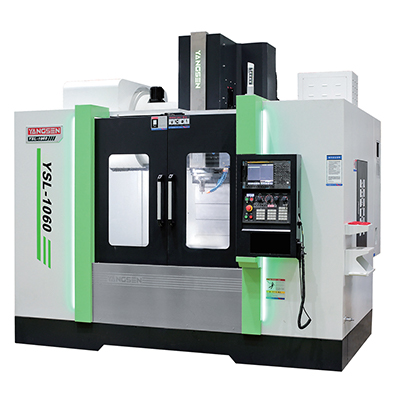
बड़े पुर्जों की मशीनिंग के लिए सीएनसी मशीन का चयन करते समय, कई खरीदारों को एक ही समस्या का सामना करना पड़ता है:
एक बड़ा वर्टिकल मशीनिंग सेंटर बेहतर परिशुद्धता और उच्च मशीनिंग दक्षता प्रदान करता है, लेकिन जैसे ही वाई-अक्ष बड़ा होता जाता है, मशीन की कीमत में नाटकीय रूप से वृद्धि हो जाती है।
दूसरी ओर, एक छोटा गैन्ट्री मशीनिंग सेंटर अधिक प्रतिस्पर्धी कीमत पर एक बड़ी मशीनिंग रेंज और बेहतर कठोरता प्रदान कर सकता है, खासकर चौड़े वर्कपीस और बड़े मोल्ड के लिए।
तो इनमें से बेहतर विकल्प कौन सा है?
क्या आपको उच्च गति और सटीकता के लिए एक बड़े वीएमसी में निवेश करना चाहिए, या एक छोटे वीएमसी का चयन करना चाहिए? गैन्ट्री सीएनसी मशीन बेहतर लागत प्रदर्शन और अधिक मशीनिंग क्षमता के लिए?
इसका उत्तर इस पर निर्भर करता है आपके वर्कपीस का आकार, मशीनिंग की आवश्यकताएं, फ़ैक्टरी का स्थान और बजट.
इस लेख में, हम संरचना, सटीकता, दक्षता, मजबूती और कीमत के दृष्टिकोण से बड़े ऊर्ध्वाधर मशीनिंग केंद्रों और छोटे गैन्ट्री मशीनिंग केंद्रों की तुलना करेंगे, जिससे आपको अपनी वास्तविक उत्पादन आवश्यकताओं के लिए सही मशीन चुनने में मदद मिलेगी।
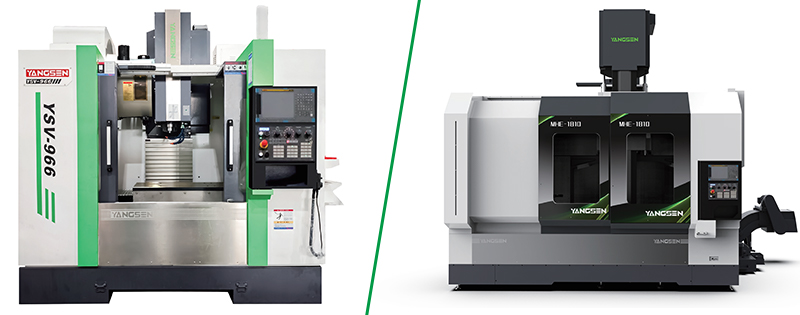
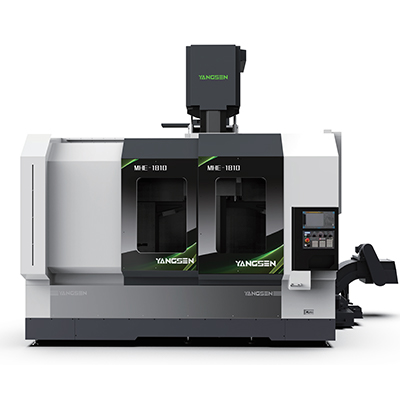
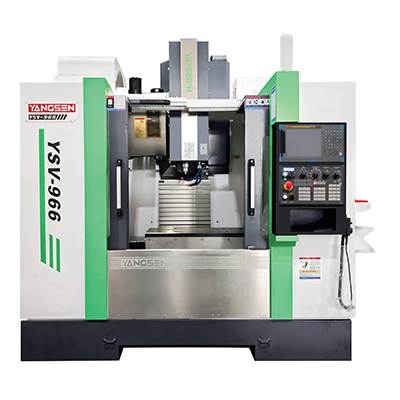
एक बड़ा ऊर्ध्वाधर मशीनिंग केंद्र (VMC) एक ऊर्ध्वाधर स्पिंडल संरचना का उपयोग करता है जिसमें वर्कटेबल X और Y दिशाओं में गति करता है। मानक VMC मशीनों की तुलना में, यह एक व्यापक मशीनिंग रेंज और बड़े वर्कटेबल आकार की सुविधा प्रदान करता है।
| मशीन का प्रकार | सामान्य यात्रा |
| बड़ा वीएमसी | 1500 × 800 मिमी |
| लार्ज-वाई वीएमसी | 1600 × 1000 मिमी या इससे बड़ा |
जैसे-जैसे Y-अक्ष का आकार बढ़ता है, मशीन की लागत भी काफी बढ़ जाती है। यही कारण है कि कई खरीदार बड़ी VMC मशीनों की तुलना छोटे गैन्ट्री मशीनिंग सेंटरों से करने लगते हैं।
मुख्य लाभ
मुख्य सीमाएँ
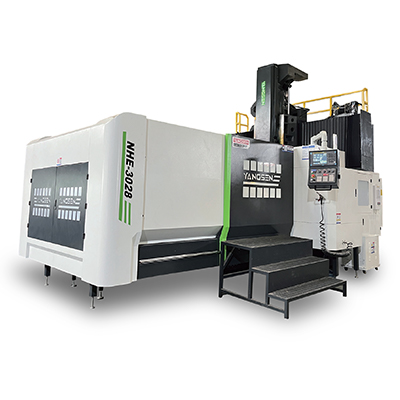
एक छोटा गैन्ट्री मशीनिंग सेंटर दोहरे स्तंभ वाली गैन्ट्री संरचना का उपयोग करता है, जिससे यह बेहतर कठोरता और अधिक प्रतिस्पर्धी लागत प्रदर्शन के साथ वाई-अक्ष की अधिक यात्रा प्राप्त कर सकता है।
| मशीन का प्रकार | सामान्य यात्रा |
| बड़ा वीएमसी | 1500 × 800 मिमी |
| छोटा गैन्ट्री सीएनसी | 1600 × 1200 मिमी |
यही कारण है कि कई कारखाने बड़े सांचों और चौड़े वर्कपीस के लिए छोटी गैन्ट्री मशीनों का चुनाव करते हैं।
मुख्य लाभ
मुख्य सीमाएँ
एक बड़े वर्टिकल मशीनिंग सेंटर और एक छोटे गैन्ट्री मशीनिंग सेंटर के बीच चुनाव करना केवल मशीन के आकार पर निर्भर नहीं करता। असली अंतर मशीनिंग रेंज, सटीकता, मजबूती, दक्षता और समग्र लागत प्रदर्शन में निहित है।
कई कारखानों के लिए सबसे बड़ी चिंता यह है:
क्या आपको बड़े वाई-एक्सिस वाले वीएमसी पर अधिक पैसा खर्च करना चाहिए, या अधिक मशीनिंग रेंज और बेहतर कठोरता वाली छोटी गैन्ट्री मशीन का चयन करना चाहिए?
नीचे दी गई तालिका दोनों प्रकार की मशीनों के बीच मुख्य अंतर दर्शाती है।
तुलना वस्तु | बड़ा ऊर्ध्वाधर मशीनिंग केंद्र | छोटा गैन्ट्री मशीनिंग सेंटर |
मशीन संरचना | कॉम्पैक्ट सी-फ्रेम संरचना | दोहरे स्तंभ वाली गैन्ट्री संरचना |
शुद्धता | उच्च परिशुद्धता और बेहतर सतह फिनिश | अधिक कठोरता के साथ स्थिर परिशुद्धता |
मशीनिंग दक्षता | तेज़ गति और उच्चतर कटाई क्षमता | स्थिर बड़े पुर्जों की मशीनिंग के लिए बेहतर |
वाई-अक्ष यात्रा | जब Y-अक्ष बड़ा होता है तो लागत तेजी से बढ़ती है। | वाई-अक्ष पर अधिक गति प्राप्त करना आसान है |
कठोरता | सामान्य मशीनिंग के लिए अच्छा है | भारी कटाई और बड़े वर्कपीस के लिए बेहतर। |
वर्कपीस क्षमता | मध्यम से बड़े आकार के वर्कपीस | बड़े सांचे, प्लेटें और संरचनात्मक भाग |
फ़ैक्टरी स्थान | छोटा आकार | इसके लिए अधिक स्थापना स्थान की आवश्यकता होती है। |
भारी कटाई प्रदर्शन | अच्छा | बेहतर कटाई स्थिरता |
लागत प्रदर्शन | बड़े आकार की यात्रा के लिए अधिक लागत | मशीनिंग उत्पादों की विस्तृत श्रृंखला के लिए बेहतर मूल्य |
के लिए सर्वश्रेष्ठ | सटीक मशीनिंग और उच्च गति कटिंग | बेहतर लागत दक्षता के साथ बड़े पुर्जों की मशीनिंग |
सबसे बड़े अंतरों में से एक वाई-अक्ष की क्षमता है।
एक ऊर्ध्वाधर मशीनिंग सेंटर के लिए, एक बार Y-अक्ष 1000 मिमी या उससे अधिक तक पहुंचता हैमशीन संरचना और विनिर्माण लागत में उल्लेखनीय वृद्धि हुई हैइसी वजह से बड़े वाई-एक्सिस वाले वीएमसी मशीनें आमतौर पर काफी महंगी होती हैं।
एक छोटा गैन्ट्री मशीनिंग सेंटर गैन्ट्री संरचना का उपयोग करके इस समस्या का समाधान करता है, जिससे अधिक उचित लागत पर व्यापक मशीनिंग रेंज प्राप्त की जा सकती है।
हालांकि, बड़ी वीएमसी मशीनों के अभी भी कुछ फायदे हैं। परिशुद्धता और मशीनिंग दक्षताइनकी कॉम्पैक्ट संरचना से तेज प्रतिक्रिया, बेहतर गतिशील प्रदर्शन और उच्च गति वाली मशीनिंग क्षमता संभव हो पाती है।
इसके विपरीत, छोटी गैन्ट्री मशीनें कठोरता और मशीनिंग स्थिरता पर अधिक ध्यान केंद्रित करती हैं, खासकर बड़े मोल्ड, चौड़ी प्लेटों या भारी स्टील वर्कपीस को संसाधित करते समय।
इसलिए सबसे अच्छा विकल्प आपकी वास्तविक मशीनिंग आवश्यकताओं पर निर्भर करता है:
यदि आप सटीकता, गति और उच्च गुणवत्ता वाली फिनिशिंग पर ध्यान केंद्रित करते हैं, तो एक बड़ी वीएमसी आमतौर पर बेहतर विकल्प होती है।
यदि आपको अधिक मशीनिंग रेंज और बेहतर लागत प्रदर्शन की आवश्यकता है, तो एक छोटी गैन्ट्री सीएनसी मशीन अधिक व्यावहारिक समाधान हो सकती है।
एक बड़े वर्टिकल मशीनिंग सेंटर और एक छोटे गैन्ट्री मशीनिंग सेंटर के बीच कोई भी मशीन निश्चित रूप से "बेहतर" नहीं होती। सही चुनाव आपकी वास्तविक उत्पादन आवश्यकताओं पर निर्भर करता है।
सीएनसी मशीन में निवेश करने से पहले, आपको निम्नलिखित प्रमुख कारकों पर ध्यान देना चाहिए।
यदि आपके पुर्जे मुख्य रूप से मध्यम आकार के घटक, एल्यूमीनियम के पुर्जे या सटीक मोल्ड हैं, तो आमतौर पर एक बड़ा वीएमसी पर्याप्त होता है।
लेकिन अगर आप अक्सर मशीन चलाते हैं:
इसके बाद एक छोटा गैन्ट्री मशीनिंग सेंटर अधिक व्यापक मशीनिंग रेंज और बेहतर स्थिरता प्रदान करेगा।
विशेषकर जब वाई-अक्ष की आवश्यकता 1200 मिमी या उससे अधिक हो जाती है, तो गैन्ट्री मशीन आमतौर पर अधिक लागत प्रभावी विकल्प बन जाती है।
यदि आपका प्रोडक्शन इन बातों पर केंद्रित है:
ऐसे में, एक बड़ा वर्टिकल मशीनिंग सेंटर आमतौर पर बेहतर प्रदर्शन करता है।
इसकी कॉम्पैक्ट संरचना तेज गति से प्रतिक्रिया करने और उच्चतर मशीनिंग सटीकता प्रदान करती है।
भारी-भरकम मशीनिंग और बड़े पुर्जों की प्रोसेसिंग के लिए, छोटी गैन्ट्री मशीनें अधिक मजबूती के साथ स्थिर परिशुद्धता प्रदान करती हैं।
बड़ी वीएमसी मशीनें आमतौर पर निम्नलिखित सुविधाएँ प्रदान करती हैं:
ये बैच उत्पादन और हाई-स्पीड कटिंग अनुप्रयोगों के लिए अधिक उपयुक्त हैं।
छोटी गैन्ट्री सीएनसी मशीनें थोड़ी धीमी हो सकती हैं, लेकिन बड़े वर्कपीस की मशीनिंग करते समय वे कई सेटअपों को कम करती हैं, जिससे समग्र उत्पादन दक्षता में सुधार हो सकता है।
एक बड़े वीएमसी को आमतौर पर कम स्थापना स्थान की आवश्यकता होती है और इसे कॉम्पैक्ट कार्यशालाओं में व्यवस्थित करना आसान होता है।
छोटी गैन्ट्री मशीनों के लिए निम्नलिखित की आवश्यकता होती है:
खरीदने से पहले, आपको यह पुष्टि कर लेनी चाहिए कि आपकी कार्यशाला का लेआउट मशीन के आकार के अनुरूप है या नहीं।
बजट अक्सर सबसे बड़ा निर्णायक कारक होता है।
एक बड़ी वाई-एक्सिस वाली वीएमसी मशीन निम्नलिखित कारणों से बहुत महंगी हो जाती है:
एक छोटा गैन्ट्री मशीनिंग सेंटर अक्सर कम कुल लागत पर समान मशीनिंग रेंज प्राप्त कर सकता है।
यदि आपकी प्राथमिकता बेहतर लागत प्रदर्शन के साथ अधिक मशीनिंग क्षमता है, तो एक छोटी गैन्ट्री सीएनसी मशीन दीर्घकालिक रूप से बेहतर मूल्य प्रदान कर सकती है।
क्या एक छोटा गैन्ट्री मशीनिंग सेंटर एक बड़े वीएमसी से सस्ता होता है?
हमेशा नहीं, लेकिन जब Y-अक्ष की गति बढ़ जाती है, तो एक छोटा गैन्ट्री मशीनिंग सेंटर आमतौर पर बेहतर लागत-प्रदर्शन प्रदान करता है। बड़े Y-अक्ष वाली VMC मशीनों के लिए बड़े कास्टिंग और मजबूत संरचनाओं की आवश्यकता होती है, जिससे मशीन की लागत में काफी वृद्धि होती है।
मोल्ड मशीनिंग के लिए कौन सी मशीन बेहतर है?
यह मोल्ड के आकार और मशीनिंग आवश्यकताओं पर निर्भर करता है। उच्च गति वाली सटीक मोल्ड मशीनिंग के लिए बड़ी वीएमसी मशीनें बेहतर होती हैं, जबकि छोटे गैन्ट्री सीएनसी मशीनें बड़े मोल्ड और भारी-भरकम मशीनिंग के लिए अधिक उपयुक्त होती हैं।
वाई-अक्ष का आकार वीएमसी मशीन की कीमत को इतना अधिक क्यों प्रभावित करता है?
जैसे-जैसे Y-अक्ष चौड़ा होता जाता है, मशीन को एक बड़ी संरचना, चौड़े गाइडवे और अधिक मजबूत कठोरता समर्थन की आवश्यकता होती है। इससे निर्माण की कठिनाई और मशीन की कुल लागत बढ़ जाती है।
क्या गैन्ट्री मशीन वीएमसी की तुलना में कम सटीक होती है?
सामान्यतः, वीएमसी मशीनें बेहतर गतिशील परिशुद्धता और सतह की गुणवत्ता प्रदान करती हैं। हालांकि, आधुनिक गैन्ट्री मशीनिंग सेंटर भी बहुत स्थिर परिशुद्धता प्राप्त कर सकते हैं, विशेष रूप से बड़े वर्कपीस की मशीनिंग करते समय।
भारी कटाई के लिए कौन सी मशीन बेहतर है?
छोटे गैन्ट्री मशीनिंग सेंटर आमतौर पर भारी कटिंग अनुप्रयोगों में बेहतर प्रदर्शन करते हैं क्योंकि गैन्ट्री संरचना अधिक कठोरता और बेहतर मशीनिंग स्थिरता प्रदान करती है।
यदि आप सटीकता और मशीनिंग दक्षता पर ध्यान केंद्रित करते हैं, तो एक बड़ी वीएमसी आमतौर पर बेहतर विकल्प होती है। यदि आपको व्यापक मशीनिंग रेंज और बेहतर लागत-प्रदर्शन की आवश्यकता है, तो एक छोटी गैन्ट्री सीएनसी मशीन अधिक लाभ प्रदान करती है।
सबसे महत्वपूर्ण बात यह है कि आप अपने वर्कपीस के वास्तविक आकार, मशीनिंग आवश्यकताओं और बजट के आधार पर मशीन का चुनाव करें। यदि आप अभी भी मशीन कॉन्फ़िगरेशन की तुलना कर रहे हैं या बड़े पुर्जों की मशीनिंग के लिए उपयुक्त सीएनसी समाधान की तलाश कर रहे हैं, तो इन दो मशीन संरचनाओं के बीच के अंतर को समझना आपको अधिक लागत प्रभावी निवेश करने में मदद कर सकता है।