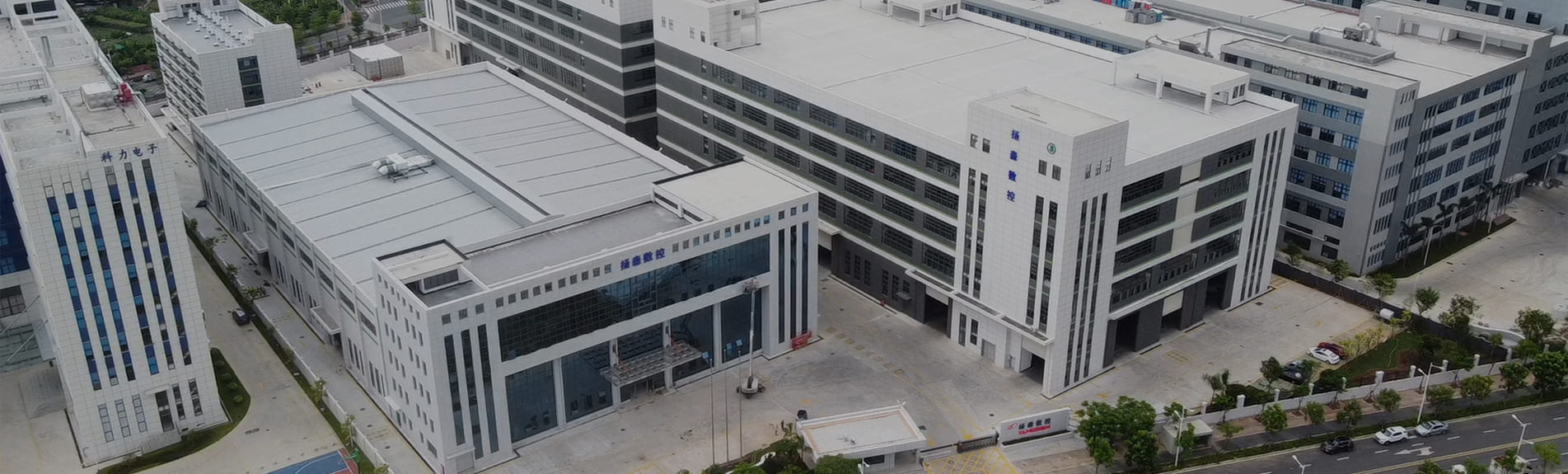
यदि आप बड़े या भारी पुर्जों की मशीनिंग कर रहे हैं, तो आपने शायद ब्रिज मिल और गैन्ट्री मिल के बारे में सुना होगा। पहली नज़र में, ये काफी समान दिखते हैं—दोनों को बड़े पैमाने पर सीएनसी मशीनिंग और भारी-भरकम कटिंग के लिए डिज़ाइन किया गया है।
लेकिन कई निर्माताओं के सामने यह सवाल आता है: आपको इनमें से किसे चुनना चाहिए?
जबकि ब्रिज मिल और गैन्ट्री मिल कुछ समानताओं के बावजूद, उनकी संरचना, संचालन शैली और उपयुक्त अनुप्रयोग काफी भिन्न हो सकते हैं। इन अंतरों को समझने से आपको अपनी उत्पादन आवश्यकताओं के लिए सही मशीन चुनने में मदद मिल सकती है।
इस गाइड में, हम ब्रिज मिल और गैन्ट्री मिल की संक्षिप्त तुलना करेंगे ताकि आपको यह तय करने में मदद मिल सके कि कौन सा समाधान आपकी मशीनिंग आवश्यकताओं के लिए सबसे उपयुक्त है।
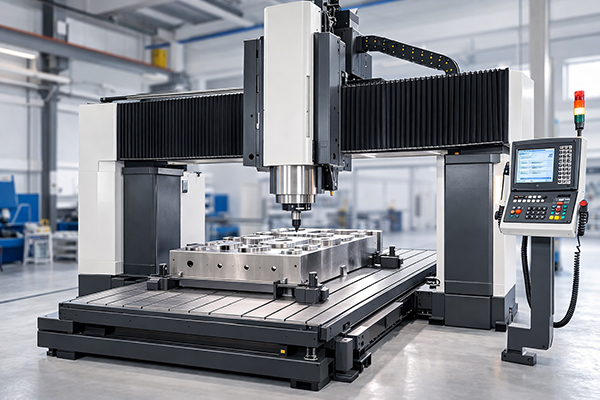
एक ब्रिज मिल एक है सीएनसी मिलिंग मशीन का प्रकार यह मशीन बड़े और भारी वर्कपीस की मशीनिंग के लिए डिज़ाइन की गई है। इस मशीन का नाम इसकी संरचना से पड़ा है—दो स्तंभ एक क्रॉस बीम को सहारा देते हैं जो वर्कटेबल के ऊपर एक "पुल" का निर्माण करता है।
अधिकांश ब्रिज मिलों में, ब्रिज संरचना स्थिर रहती है जबकि टेबल चलती है, जिससे स्पिंडल अच्छी स्थिरता और सटीकता के साथ बड़े पुर्जों की मशीनिंग कर सकता है। यह डिज़ाइन मजबूत कठोरता प्रदान करता है, जिससे यह इसके लिए उपयुक्त है। भारी कटाई और बड़ी सतहों की मशीनिंग.
ब्रिज मिलों का उपयोग आमतौर पर मोल्ड निर्माण, एयरोस्पेस, ऑटोमोटिव और भारी उपकरण जैसे उद्योगों में किया जाता है, जहां बड़े घटकों को स्थिरता और मशीनिंग सटीकता दोनों की आवश्यकता होती है।
ब्रिज मिलों को उनकी संरचनात्मक डिजाइन और गति प्रणाली के आधार पर कई प्रकारों में विभाजित किया जा सकता है।
मूविंग टेबल ब्रिज मिल सबसे आम प्रकार की मिल है, जिसमें वर्कटेबल चलती है जबकि ब्रिज संरचना स्थिर रहती है। यह डिज़ाइन उत्कृष्ट मजबूती प्रदान करती है और भारी वर्कपीस की मशीनिंग के लिए आदर्श है।
एक अन्य सामान्य प्रकार की मशीन मूविंग ब्रिज मिल है, जिसमें ब्रिज मशीन बेड के साथ-साथ चलता है जबकि टेबल स्थिर रहती है। इस प्रकार की मशीनिंग का उपयोग अक्सर बहुत बड़े पुर्जों की मशीनिंग के लिए किया जाता है क्योंकि मशीनिंग प्रक्रिया के दौरान वर्कपीस स्थिर रह सकता है।
ब्रिज मिल की मुख्य संरचना में आमतौर पर दो ऊर्ध्वाधर स्तंभ, एक क्रॉस बीम (ब्रिज), एक वर्कटेबल और एक स्पिंडल हेड शामिल होते हैं।
दो स्तंभ क्रॉस बीम को सहारा देते हैं, जिससे वर्कटेबल के ऊपर एक स्थिर ढांचा बनता है। स्पिंडल X, Y और Z अक्षों के अनुदिश गति करता है, जिससे मशीन सतह मिलिंग, स्लॉटिंग और कंटूर मशीनिंग जैसी विभिन्न मिलिंग क्रियाएं कर सकती है।
यह ब्रिज-शैली की संरचना उच्च कठोरता और लगातार मशीनिंग सटीकता बनाए रखने में मदद करती है, खासकर बड़े धातु के पुर्जों के साथ काम करते समय।
कई निर्माता ब्रिज मिलों को चुनते हैं क्योंकि वे मशीनिंग क्षमता, स्थिरता और सटीकता के बीच अच्छा संतुलन प्रदान करते हैं।
ब्रिज मिल विशेष रूप से तब उपयुक्त होते हैं जब:
वर्कपीस बड़ा है लेकिन अत्यधिक बड़ा नहीं है।
मशीनिंग प्रक्रिया के लिए उच्च कठोरता और स्थिर कटिंग की आवश्यकता होती है।
स्टील या कच्चा लोहा जैसी भारी सामग्रियों को मशीनिंग की आवश्यकता होती है।
इन फायदों के कारण, ब्रिज मिलों का उपयोग मोल्ड, संरचनात्मक घटकों, मशीन बेस और बड़े यांत्रिक भागों के उत्पादन के लिए व्यापक रूप से किया जाता है।
लाभ | नुकसान |
उच्च कठोरता और स्थिर कटाई प्रदर्शन | इसके लिए अपेक्षाकृत बड़े इंस्टॉलेशन स्थान की आवश्यकता होती है। |
बड़े और भारी वर्कपीस के लिए उपयुक्त | इस मशीन की लागत मानक मशीनिंग केंद्रों की तुलना में अधिक है। |
बड़ी सतहों के लिए अच्छी मशीनिंग सटीकता | परिवहन और स्थापना जटिल हो सकती है |
भारी-भरकम मिलिंग कार्यों के लिए आदर्श | रखरखाव के लिए अनुभवी तकनीशियनों की आवश्यकता हो सकती है। |
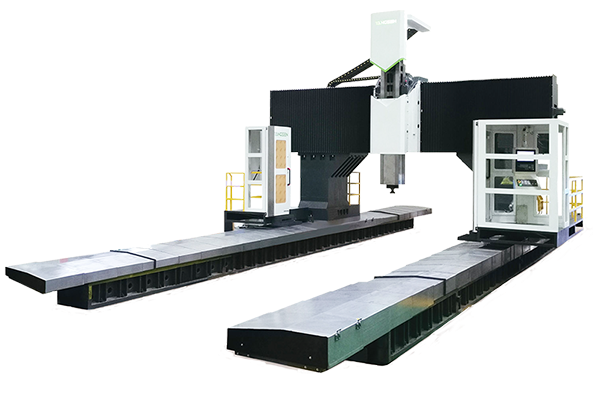
A गैन्ट्री मिल यह एक बड़ी सीएनसी मिलिंग मशीन है जिसे मशीनिंग के लिए डिज़ाइन किया गया है। बहुत बड़े या भारी वर्कपीसइसकी संरचना में एक क्रॉस बीम द्वारा जुड़े दो ऊर्ध्वाधर स्तंभ होते हैं, जो एक गैन्ट्री फ्रेम बनाते हैं जो मशीन बेड के ऊपर चलता है।
कुछ ब्रिज मिलों के विपरीत, जिनमें टेबल चलती है, कई गैन्ट्री मिलें चलती हुई गैन्ट्री संरचना का उपयोग करती हैं, जिसका अर्थ है कि पूरी गैन्ट्री मशीन बेड के साथ चलती है जबकि वर्कपीस टेबल पर स्थिर रहता है। यह डिज़ाइन वर्कपीस को हिलाए बिना ही बड़े आकार के पुर्जों की मशीनिंग को आसान बनाता है।
अपनी व्यापक मशीनिंग क्षमता और मजबूत कठोरता के कारण, गैन्ट्री मिलों का उपयोग एयरोस्पेस, जहाज निर्माण, ऊर्जा उपकरण और भारी मशीनरी निर्माण जैसे उद्योगों में व्यापक रूप से किया जाता है।
गैन्ट्री मिलों को उनकी संरचनात्मक डिजाइन और मशीनिंग क्षमताओं के आधार पर वर्गीकृत किया जा सकता है।
स्थिर गैन्ट्री मूविंग टेबल प्रकार में मशीनिंग के दौरान वर्कटेबल के चलने पर भी गैन्ट्री संरचना स्थिर रहती है। यह डिज़ाइन अच्छी कठोरता और स्थिर कटिंग प्रदर्शन प्रदान करता है।
एक अन्य सामान्य डिज़ाइन मूविंग गैन्ट्री मिल है, जिसमें गैन्ट्री फ्रेम मशीन बेड के साथ-साथ चलता है जबकि वर्कपीस स्थिर रहता है। यह प्रकार बहुत बड़े और भारी घटकों की मशीनिंग के लिए आदर्श है।
वे भी हैं 5-अक्षीय गैन्ट्री मिलिंग मशीनेंजो जटिल बहु-सतह मशीनिंग की अनुमति देते हैं और अक्सर एयरोस्पेस भागों या मोल्ड निर्माण के लिए उपयोग किए जाते हैं।
एक गैन्ट्री मिल की संरचना में आमतौर पर दो ऊर्ध्वाधर स्तंभ, एक क्रॉस बीम, एक स्पिंडल हेड, एक बड़ा मशीन बेड और एक वर्कटेबल शामिल होते हैं।
गैन्ट्री फ्रेम बेड के साथ-साथ चलता है, जबकि स्पिंडल क्रॉस बीम और ऊर्ध्वाधर अक्ष के साथ-साथ चलकर कटिंग ऑपरेशन करता है। यह संरचना एक बड़ा कार्यक्षेत्र और मजबूत मशीनी स्थिरता प्रदान करती है, जिससे यह भारी-भरकम मशीनिंग कार्यों के लिए उपयुक्त है।
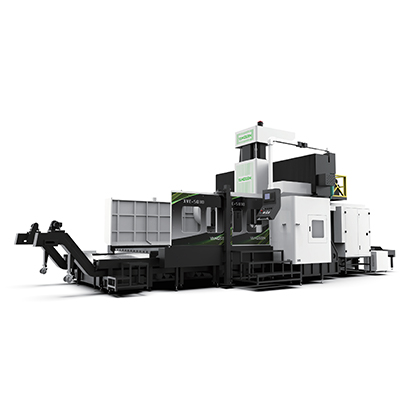

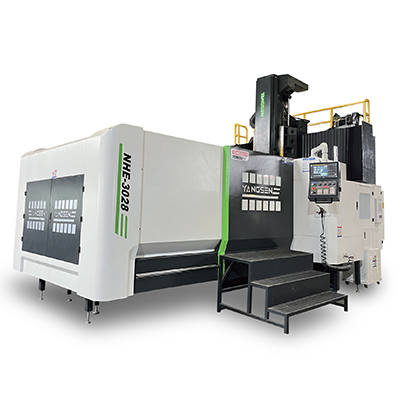
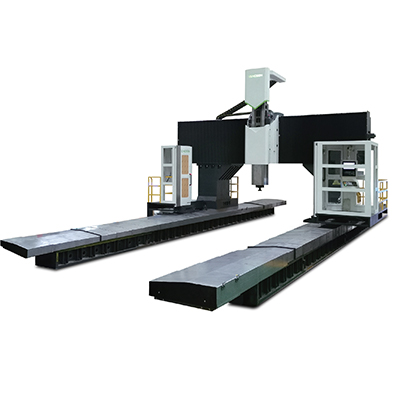
जब निर्माताओं को बहुत बड़े पुर्जे या अत्यधिक भारी घटक बनाने की आवश्यकता होती है, तो वे अक्सर गैन्ट्री मिलों का चयन करते हैं।
गैन्ट्री मिल निम्नलिखित स्थितियों में एक अच्छा विकल्प है:
कार्यवस्तु बहुत बड़ी है या उसे हिलाना मुश्किल है
मशीनिंग प्रक्रिया में बड़े यात्रा दायरे की आवश्यकता होती है।
भारी-भरकम कटिंग और स्थिर मशीनिंग की आवश्यकता होती है।
इन क्षमताओं के कारण, गैन्ट्री मिलों का व्यापक रूप से बड़े सांचों, विमान के संरचनात्मक भागों, पवन ऊर्जा घटकों और भारी उपकरण संरचनाओं की मशीनिंग के लिए उपयोग किया जाता है।
लाभ | नुकसान |
बहुत बड़ी मशीनिंग क्षमता | उच्च क्रय लागत |
भारी कटाई के लिए उत्कृष्ट कठोरता | इसके लिए बड़े कारखाने के स्थान की आवश्यकता होती है। |
बड़े आकार के वर्कपीस के लिए उपयुक्त | स्थापना जटिल हो सकती है |
यह मल्टी-एक्सिस मशीनिंग को सपोर्ट कर सकता है। | उच्च रखरखाव आवश्यकताएँ |
पहली नज़र में ब्रिज मिल और गैन्ट्री मिल काफी हद तक एक जैसी लग सकती हैं। दोनों को बड़े पुर्जों की मशीनिंग के लिए डिज़ाइन किया गया है, और दोनों में डबल-कॉलम संरचना होती है। हालांकि, जब आप गौर से देखेंगे, तो संरचना, क्षमता, स्थापना और लागत के संदर्भ में कई महत्वपूर्ण अंतर सामने आएंगे।
इन अंतरों को समझने से निर्माताओं को ऐसी मशीन चुनने में मदद मिल सकती है जो उनकी उत्पादन आवश्यकताओं के लिए बेहतर उपयुक्त हो।
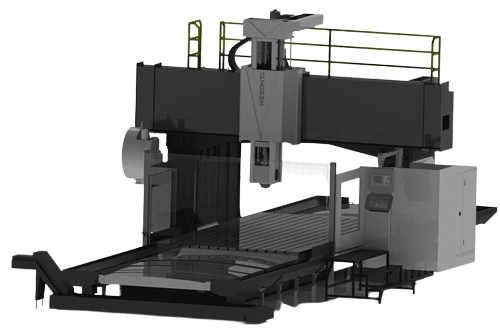
सबसे बड़ा अंतर मशीनिंग के दौरान मशीन की गति में निहित है।
ब्रिज मिल में आमतौर पर एक स्थिर ब्रिज संरचना होती है जिसमें एक गतिशील वर्कटेबल होता है, जिसका अर्थ है कि मशीनिंग के दौरान वर्कपीस चलता है जबकि ब्रिज अपनी जगह पर स्थिर रहता है।
दूसरी ओर, गैन्ट्री मिल में अक्सर एक गतिशील गैन्ट्री फ्रेम का उपयोग होता है जो मशीन बेड के साथ चलता है, जबकि वर्कपीस टेबल पर स्थिर रहता है। यह डिज़ाइन विशेष रूप से उन अत्यंत बड़े या भारी पुर्जों की मशीनिंग के लिए उपयोगी है जिन्हें स्थानांतरित करना मुश्किल होता है।
ब्रिज मिलें आम तौर पर बड़े वर्कपीस के लिए उपयुक्त होती हैं, जो अच्छी कठोरता और स्थिर कटिंग प्रदर्शन प्रदान करती हैं।
गैन्ट्री मिलें आमतौर पर एक बड़ा मशीनिंग दायरा प्रदान करती हैं, जिससे वे विमान संरचनाओं, पवन ऊर्जा भागों या भारी मशीनरी के आधार जैसे अतिरिक्त बड़े घटकों के लिए बेहतर उपयुक्त होती हैं।
कई मामलों में, समान मशीनिंग क्षमता वाली गैन्ट्री मिलों की तुलना में ब्रिज मिलें थोड़ी अधिक किफायती होती हैं।
गैन्ट्री मिलों को आमतौर पर बड़े मशीन ढांचे और लंबी यात्रा सीमा की आवश्यकता होती है, जिससे विनिर्माण और स्थापना दोनों लागतें बढ़ सकती हैं।
ब्रिज मिलों को स्थापित करना आमतौर पर आसान होता है क्योंकि उनकी संरचना अधिक कॉम्पैक्ट होती है।
गैन्ट्री मिलों को अक्सर बड़े आधार और अधिक जटिल असेंबली की आवश्यकता होती है, खासकर जब भारी औद्योगिक अनुप्रयोगों के लिए डिज़ाइन की गई बहुत बड़ी मशीनों से निपटना हो।
ब्रिज मिलों का रखरखाव आमतौर पर आसान होता है, क्योंकि इनकी गति प्रणाली सरल होती है और संरचनात्मक घटक छोटे होते हैं।
अपने आकार और गतिशील गैन्ट्री संरचना के कारण, गैन्ट्री मिलों को अधिक विशिष्ट रखरखाव और सर्विसिंग की आवश्यकता हो सकती है, खासकर बड़े पैमाने की औद्योगिक मशीनों के लिए।
विशेषता | ब्रिज मिल | गैन्ट्री मिल |
संरचना | चलने वाली मेज के साथ स्थिर पुल | गैन्ट्री को स्थिर टेबल के ऊपर ले जाना |
वर्कपीस की गति | वर्कपीस चलता है | कार्यवस्तु आमतौर पर स्थिर रहती है। |
मशीनिंग क्षमता | बड़े हिस्से | अतिरिक्त बड़े हिस्से |
इंस्टालेशन | आसान स्थापना | अधिक जटिल स्थापना |
लागत | आम तौर पर कम | आमतौर पर उच्च |
विशिष्ट उद्योग | मोल्ड, ऑटोमोटिव, मशीनरी | एयरोस्पेस, जहाज निर्माण, भारी उपकरण |
तो, आपको ब्रिज मिल चुननी चाहिए या गैन्ट्री मिल? इसका जवाब वास्तव में आपकी मशीनिंग आवश्यकताओं पर निर्भर करता है। दोनों मशीनें बड़े पुर्जों की मशीनिंग के लिए डिज़ाइन की गई हैं, लेकिन सही चुनाव आमतौर पर कुछ व्यावहारिक कारकों पर निर्भर करता है।
सबसे पहले, इस बारे में सोचें कि आप किस प्रकार के पुर्जों की मशीनिंग करने की योजना बना रहे हैं।
ब्रिज मिल का उपयोग अक्सर मोल्ड, मशीन बेस और संरचनात्मक भागों के लिए किया जाता है, जहां उच्च कठोरता और स्थिर कटिंग की आवश्यकता होती है।
गैन्ट्री मिलें एयरोस्पेस संरचनाओं, पवन ऊर्जा के पुर्जों और भारी उपकरणों के फ्रेम जैसे बहुत बड़े घटकों के लिए अधिक उपयुक्त हैं।
आपके वर्कपीस का आकार और वजन सबसे महत्वपूर्ण कारकों में से एक है।
यदि पुर्जे बड़े हैं लेकिन फिर भी उन्हें स्थानांतरित करना संभव है, तो एक ब्रिज मिल उन्हें कुशलतापूर्वक संभाल सकती है।
हालांकि, यदि पुर्जे बहुत बड़े या बहुत भारी हों, तो गैन्ट्री मिल बेहतर विकल्प हो सकता है क्योंकि मशीनिंग के दौरान वर्कपीस स्थिर रह सकता है।
विभिन्न परियोजनाओं के लिए अलग-अलग मशीन क्षमताओं की आवश्यकता हो सकती है।
उदाहरण के लिए, कुछ अनुप्रयोगों में मल्टी-एक्सिस मशीनिंग, उच्च स्पिंडल गति या बड़े टूल मैगज़ीन की आवश्यकता होती है। मशीन कॉन्फ़िगरेशन का मूल्यांकन करने से यह सुनिश्चित करने में मदद मिलती है कि उपकरण आपकी उत्पादन आवश्यकताओं के अनुरूप हो।
मशीन में निवेश भी एक महत्वपूर्ण विचारणीय विषय है।
ब्रिज मिलों में आमतौर पर शुरुआती निवेश कम होता है, जबकि गैन्ट्री मिलों की लागत उनके बड़े ढांचे और मशीनिंग क्षमता के कारण अधिक हो सकती है। अपनी उत्पादन आवश्यकताओं और बजट दोनों के अनुरूप मशीन का चयन करना महत्वपूर्ण है।
दीर्घकालिक परिचालन लागत पर भी विचार करना महत्वपूर्ण है। इसमें रखरखाव, ऊर्जा खपत और मशीन का समग्र जीवनकाल शामिल है।
सही मशीन का चयन करने से उत्पादकता में सुधार हो सकता है और डाउनटाइम कम हो सकता है, जिससे आपकी फैक्ट्री को समय के साथ निवेश पर बेहतर रिटर्न (आरओआई) प्राप्त करने में मदद मिलेगी।
क्या ब्रिज मिल और गैन्ट्री मिल एक ही चीज़ हैं?
बिल्कुल नहीं। हालांकि दोनों मशीनें दोहरे स्तंभ वाली संरचना का उपयोग करती हैं और बड़े पुर्जों की मशीनिंग के लिए डिज़ाइन की गई हैं, लेकिन उनकी गति प्रणालियाँ अलग-अलग हैं। ब्रिज मिल में आमतौर पर एक गतिशील टेबल का उपयोग होता है, जबकि गैन्ट्री मिल में अक्सर एक गतिशील गैन्ट्री फ्रेम का उपयोग होता है जो वर्कपीस के ऊपर चलता है।
बहुत बड़े पुर्जों की मशीनिंग के लिए कौन सी मशीन बेहतर है?
बहुत बड़े या भारी वर्कपीस के लिए, गैन्ट्री मिल आमतौर पर बेहतर विकल्प होता है। चूंकि वर्कपीस टेबल पर स्थिर रहता है, इसलिए मशीन बड़े आकार के घटकों को मशीनिंग के दौरान हिलाए बिना अधिक आसानी से संभाल सकती है।
क्या ब्रिज मिल भारी-भरकम मशीनिंग के लिए उपयुक्त हैं?
जी हां। ब्रिज मिलें अपनी उच्च कठोरता और स्थिर कटिंग प्रदर्शन के लिए जानी जाती हैं, जो उन्हें भारी-भरकम मिलिंग कार्यों के लिए उपयुक्त बनाती हैं, खासकर मोल्ड निर्माण और सामान्य मशीनरी उत्पादन जैसे उद्योगों में।
क्या गैन्ट्री मिलें ब्रिज मिलों से अधिक महंगी होती हैं?
अधिकांश मामलों में, गैन्ट्री मिलें अधिक महंगी होती हैं क्योंकि इनमें आमतौर पर बड़ी संरचनाएं, लंबी यात्रा सीमाएं और उच्च स्थापना आवश्यकताएं होती हैं। हालांकि, ये अधिक मशीनिंग क्षमता भी प्रदान करती हैं।
ब्रिज मिल और गैन्ट्री मिल का उपयोग आमतौर पर किन उद्योगों में किया जाता है?
ब्रिज मिलों का उपयोग आमतौर पर मोल्ड बनाने, ऑटोमोटिव निर्माण और यांत्रिक उपकरण उत्पादन में किया जाता है।
गैन्ट्री मिलों का व्यापक रूप से उन उद्योगों में उपयोग किया जाता है जिनमें बहुत बड़े घटकों की मशीनिंग की आवश्यकता होती है, जैसे कि एयरोस्पेस, जहाज निर्माण, पवन ऊर्जा और भारी मशीनरी निर्माण।
ब्रिज मिल और गैन्ट्री मिल दोनों ही बड़े और भारी वर्कपीस की मशीनिंग के लिए शक्तिशाली समाधान हैं। संरचना और क्षमता में कुछ समानताएं होने के बावजूद, डिज़ाइन, मशीनिंग क्षमता और स्थापना आवश्यकताओं में अंतर के कारण प्रत्येक मशीन विशिष्ट अनुप्रयोगों के लिए अधिक उपयुक्त होती है।
सामान्य तौर पर, ब्रिज मिल उन बड़े पुर्जों के लिए आदर्श होते हैं जिन्हें उच्च कठोरता और स्थिर कटिंग प्रदर्शन की आवश्यकता होती है, जबकि गैन्ट्री मिल बहुत बड़े या अत्यधिक बड़े आकार के घटकों के लिए बेहतर उपयुक्त होते हैं जहां मशीनिंग के दौरान वर्कपीस को स्थिर रखना आवश्यक होता है।
कोई भी मशीन पूर्णतः "सर्वश्रेष्ठ" नहीं होती—सही चुनाव आपके वर्कपीस के आकार, मशीनिंग आवश्यकताओं और उत्पादन वातावरण पर निर्भर करता है।
यदि आप इस बात को लेकर अनिश्चित हैं कि कौन सा समाधान आपकी परियोजना के लिए उपयुक्त है, तो एक अनुभवी सीएनसी मशीन निर्माता के साथ काम करने से आपको अपनी उत्पादन आवश्यकताओं के लिए सबसे उपयुक्त उपकरण चुनने में मदद मिल सकती है।