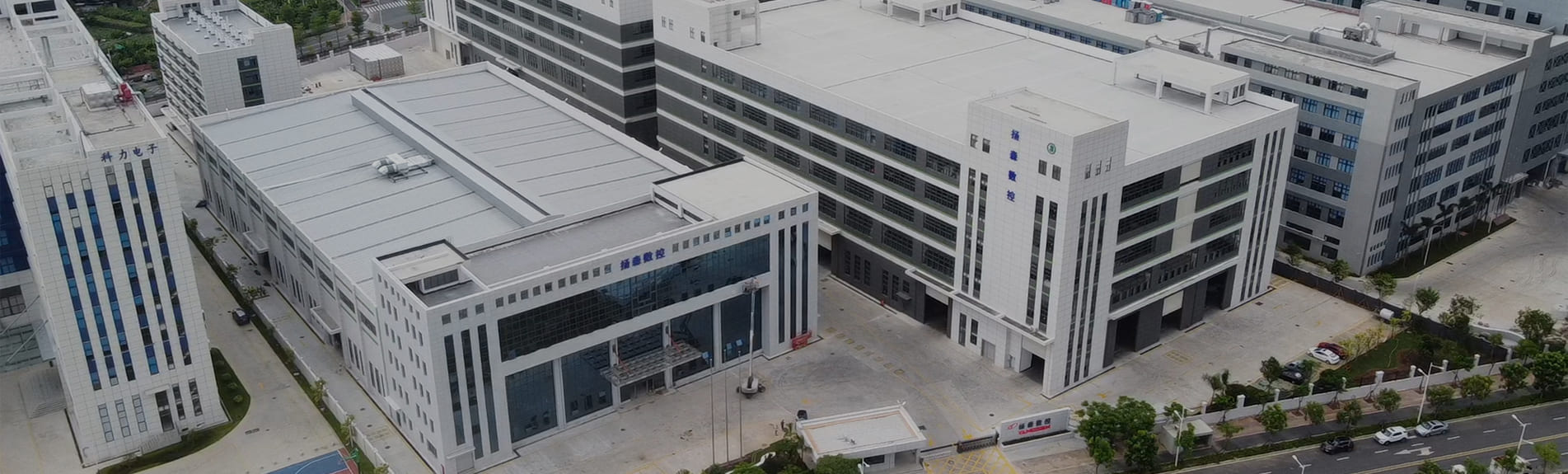
A CNC machining center relies on multiple components working together to maintain stable and accurate machining performance. During daily operation, parts in the spindle, tool changer, lubrication system, and other machine systems are exposed to friction, heat, chips, and regular wear. Over time, some components may need inspection, maintenance, or replacement to prevent unexpected downtime.
This article covers 10 common CNC machining center spare parts, explains their functions, and highlights what to watch for during routine maintenance.
CNC machining centers use different components to support motion control, tool changing, lubrication, cooling, and electrical operation. Some parts are subject to regular wear, while others may only need replacement after a fault or during scheduled maintenance. The exact components vary by machine model and configuration.
Here are 10 common CNC machining center spare parts, along with their functions, typical warning signs, and basic maintenance considerations.
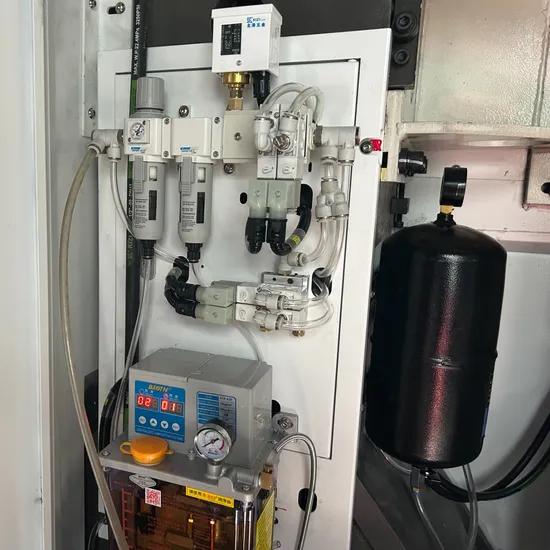
CNC machining centers use filters in systems such as lubrication, hydraulics, coolant circulation, and air supply. These filters help remove contaminants before they affect pumps, valves, and other machine components.
Over time, filters can become clogged with metal particles, dust, oil residue, or other contaminants. Reduced fluid flow, pressure changes, or filter alarms may indicate that an element needs inspection.
Check filters according to the manufacturer's maintenance schedule and replace them when necessary. Always use the correct filter type and specification for the machine.
Way wipers and seals help protect guideways and other moving areas from chips, coolant, dust, and debris. They also help retain lubricant and prevent contaminants from entering critical machine components.
Worn or damaged wipers may allow chips and coolant to accumulate on guideways. Cracks, hardening, deformation, or visible lubricant leakage can indicate that seals need attention.
Replace damaged wipers and seals promptly to help protect sliding surfaces and maintain reliable machine movement.
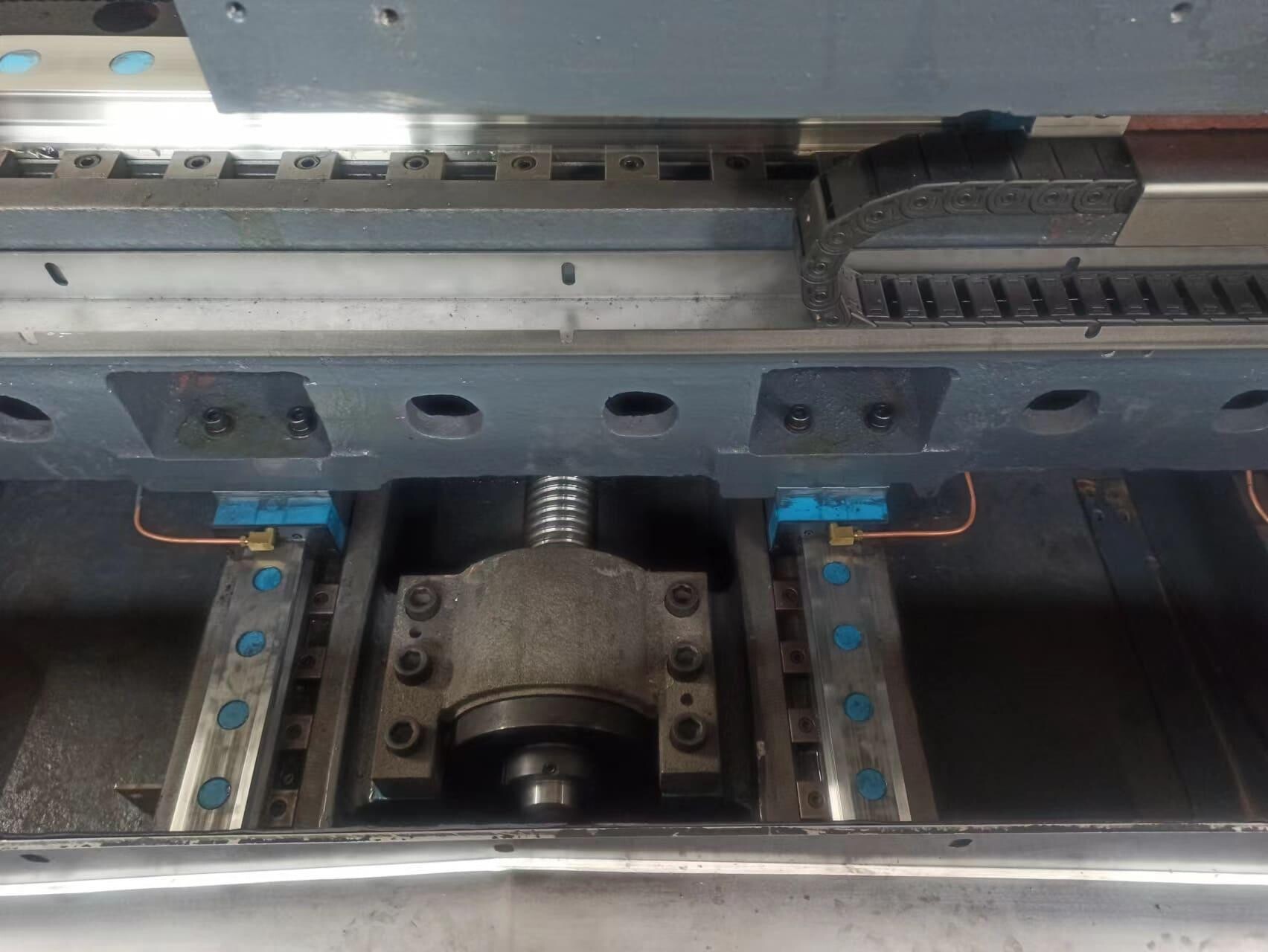
An automatic lubrication system supplies oil or grease to key moving parts, such as guideways and ball screws. Common components include the lubrication pump, metering units, distribution lines, and fittings.
A blocked line, leaking connection, or malfunctioning pump can interrupt lubricant delivery. Low oil levels, lubrication alarms, or insufficient lubrication on moving surfaces are signs that the system needs inspection.
Check the lubricant level and confirm that the system operates at the specified intervals. Keep distribution lines and connections clean, and use the lubricant recommended by the machine manufacturer.
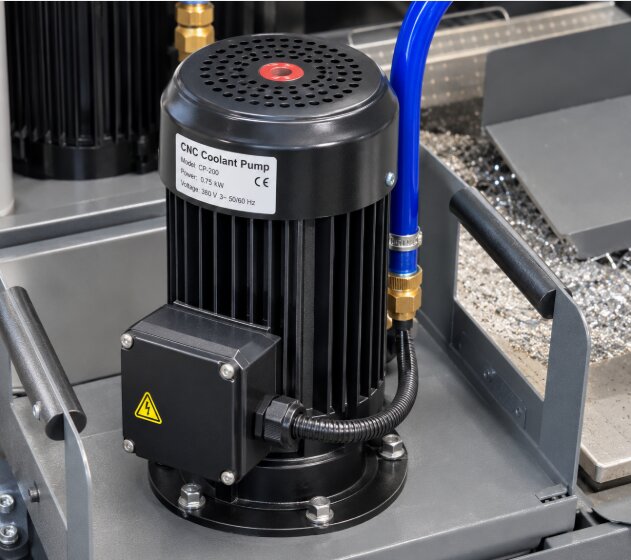
Coolant pumps deliver cutting fluid to the machining area to help control heat, remove chips, and support the cutting process. Depending on the machine, the coolant system may also include hoses, valves, seals, and nozzles.
Reduced coolant flow, unusual pump noise, leakage, or frequent overheating may indicate a problem with the pump or its related components. Blockages and worn seals can also affect coolant delivery.
Check the coolant level and inspect hoses, connections, and nozzles regularly. Keep the coolant system clean and address abnormal pump noise or flow changes before they interrupt machining.
Drive belts and couplings transmit power between motors and other machine components. Belt-driven spindle systems use belts to transfer motor power to the spindle, while couplings may connect servo motors to ball screws or other drive mechanisms.
Cracked or loose belts can cause slipping, vibration, and abnormal noise. Worn or misaligned couplings may contribute to positioning problems, vibration, or reduced transmission accuracy.
Not every CNC machining center uses the same drive arrangement. Inspect belts and couplings according to the machine's design, and have tension, alignment, or replacement work carried out to the manufacturer's specifications.
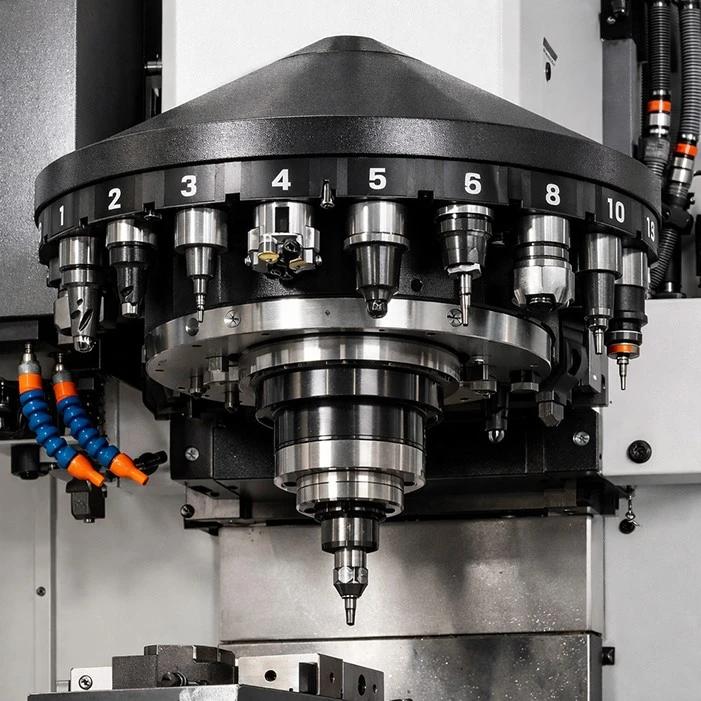
The automatic tool changer allows a CNC machining center to change tools without manual intervention. Depending on its design, the ATC may include a tool magazine, tool holders or grippers, drive mechanisms, and position sensors.
Wear, contamination, or misalignment can cause tool-changing errors. Common warning signs include failed tool changes, unusual noise, incorrect tool positioning, or tools not being held securely in the magazine.
Keep the tool magazine and accessible moving areas clean. Check for visible damage and follow the manufacturer's inspection procedures. Repeated tool-changing errors should be investigated rather than ignored.
Proximity sensors and limit switches detect the position or movement of machine components. They provide signals used by the CNC control system for functions such as axis positioning, tool changing, and machine operation.
A damaged sensor, loose connection, or accumulated chips can cause incorrect signals. The machine may stop unexpectedly, fail to complete a tool change, or display position-related alarms.
Keep sensors clean and check that they are securely mounted. Inspect cables and connectors for damage, and replace faulty sensors with compatible components. Never bypass a sensor or safety switch to keep the machine running.
Electrical components such as relays, contactors, fuses, power supplies, cooling fans, and connectors support the machine's control and power systems. Their condition affects the reliability of machine operation.
Electrical faults may cause intermittent alarms, unexpected shutdowns, control failures, or overheating. A failed cooling fan, for example, can contribute to excessive heat inside an electrical cabinet.
Keep the electrical cabinet clean and ensure that its cooling system works properly. Have qualified technicians inspect abnormal electrical behavior and replace faulty components according to the machine's electrical specifications.
Some CNC control systems use backup batteries to retain memory data or absolute position information when the main power is off. The exact battery function depends on the control system and machine configuration.
A low-battery warning should not be ignored. If the battery loses power, certain stored data or position information may be lost, potentially requiring additional recovery or setup procedures.
Check battery status during routine maintenance and replace batteries according to the control manufacturer's instructions. Back up relevant machine data first, and follow the specified replacement procedure, as some systems require the machine to remain powered during battery replacement.
The spindle drawbar and related clamping components secure the tool holder inside the spindle. They help maintain a firm connection between the tool holder and spindle during machining.
Wear or damage to the clamping mechanism may lead to inconsistent tool retention, tool slipping, release problems, or abnormal noise during operation. These issues can affect machining stability and may create safety risks.
Follow the manufacturer's inspection schedule and check clamping performance using the recommended procedure. Because the mechanism contains precision and often spring-loaded components, inspection, adjustment, and replacement should be handled by qualified service personnel.
Some CNC components have a direct impact on machining accuracy and machine stability. The following parts require regular condition checks and professional attention when problems occur.
Spindle bearings support high-speed rotation and help maintain machining accuracy. Wear, poor lubrication, or overheating may cause abnormal noise, vibration, and reduced surface finish quality. Monitor spindle temperature and vibration, and arrange professional inspection if abnormalities occur.
Ball screws and linear guideways control and support CNC axis movement. Wear, poor lubrication, or contamination can lead to backlash, vibration, and reduced positioning accuracy. Keep these components properly lubricated and protected from chips and coolant.
Servo motors and drives control the speed, torque, and positioning of machine axes. Electrical faults, overheating, or feedback problems may cause servo alarms and unstable axis movement. Repeated alarms should be checked by qualified technicians to identify the actual cause.
When choosing a CNC machining center, consider more than its machining capacity and purchase price. Component quality, maintenance requirements, and technical support can all affect long-term operating costs and production reliability.
Check the quality and specifications of key components, including the spindle, guideways, ball screws, and control system. Make sure the machine configuration matches your materials, machining processes, accuracy requirements, and production volume.
A machine with accessible maintenance points and a well-designed lubrication and cooling system can make routine servicing easier. Consider how easily operators and technicians can inspect key components and perform scheduled maintenance.
Reliable technical support helps you handle installation, commissioning, troubleshooting, and maintenance issues. Before purchasing, check the manufacturer's service capabilities, spare parts support, warranty terms, and availability of technical assistance.
1. What Are the Most Commonly Replaced CNC Machine Parts?
Commonly replaced parts include filters, way wipers, seals, lubrication system components, coolant pump components, belts, and sensors. Actual replacement needs depend on the machine model, operating conditions, and component wear.
2. How Often Should CNC Machining Center Parts Be Replaced?
There is no single replacement interval for all CNC machine parts. Follow the manufacturer's maintenance schedule and consider operating hours, workload, and the actual condition of each component.
3. Do VMC and HMC Use the Same Spare Parts?
VMCs and HMCs share many basic components, such as filters, lubrication systems, sensors, and electrical parts. However, their spindle configurations, automatic tool changers, and other machine-specific components may differ, so compatibility should always be checked against the machine model.
4. What Causes CNC Machine Components to Wear Out?
Common causes include friction, heat, insufficient lubrication, chip contamination, and continuous heavy operation. Poor maintenance or incorrect machine settings can also accelerate component wear.
5. How Can Regular Maintenance Reduce CNC Machine Downtime?
Regular maintenance helps identify worn or damaged components before they cause unexpected failures. Checking lubrication, filters, coolant systems, and other critical components can improve machine reliability and reduce unplanned downtime.
Understanding common CNC machining center spare parts helps you identify component wear, plan maintenance, and reduce unexpected downtime. Regular inspections and timely replacement of worn components also help maintain machining accuracy and machine reliability.
If you are planning to invest in a CNC machining center, CNC YANGSEN can help you explore suitable machine configurations based on your machining requirements, materials, and production needs. Contact our team to discuss your project and find the right CNC machining solution for your business.